Few ingredients earn their place in a bakery or confectionery recipe on as many fronts as desiccated coconut. It contributes flavour, texture, structure, moisture retention and visual appeal simultaneously, which is why it turns up in everything from humble biscuits to premium chocolate. Understanding how it works helps manufacturers use it deliberately rather than by habit.
Flavour without additives
The most obvious contribution is taste. Desiccated coconut brings a natural sweetness and a warm, nutty aroma that reduces the need for added flavourings. In cookies, cakes, chocolate coatings and snack bars, that authentic coconut note is often the character consumers remember and return for.
Texture and bite
Grain size lets manufacturers tune the eating experience. Fine grades blend smoothly into doughs and batters, adding body without an obvious flake, while medium grades deliver a visible, satisfying bite as toppings and inclusions. This flexibility means a single ingredient can create very different products across a range.
Moisture retention and structure
Coconut`s natural oil and fibre help baked goods hold moisture, so cookies, cakes and bars stay softer and fresher for longer. That same fibre lends structure, helping mixtures bind and hold together — a real advantage in high-speed, large-volume production where crumbling and inconsistency are costly.
Visual appeal on the shelf
Because shoppers so often choose with their eyes, appearance sells. A dusting or coating of coconut gives products an artisanal, natural and premium look that stands out on a crowded shelf. It signals handmade quality even in mass-produced lines, which helps brands justify a premium position.
Meeting the clean-label demand
Finally, desiccated coconut aligns neatly with the move toward natural, plant-based and minimally processed foods. As a single, recognisable ingredient, it supports clean-label claims while still delivering strong functional performance. For bakery and confectionery manufacturers balancing taste, texture, shelf life and marketing, it remains one of the most valuable and versatile tools available.
Dosage and formulation tips
Getting the most from desiccated coconut is partly about how much and which cut. Too little and its character is lost; too much and it can dry a crumb or dominate a delicate filling. Fine grades integrate invisibly and suit doughs and batters, while medium grades are best where visible texture is wanted. When adding significant volumes, formulators often adjust liquid or fat slightly to account for the coconut`s own oil and its tendency to absorb moisture, keeping the finished texture on target.
Handling in the plant
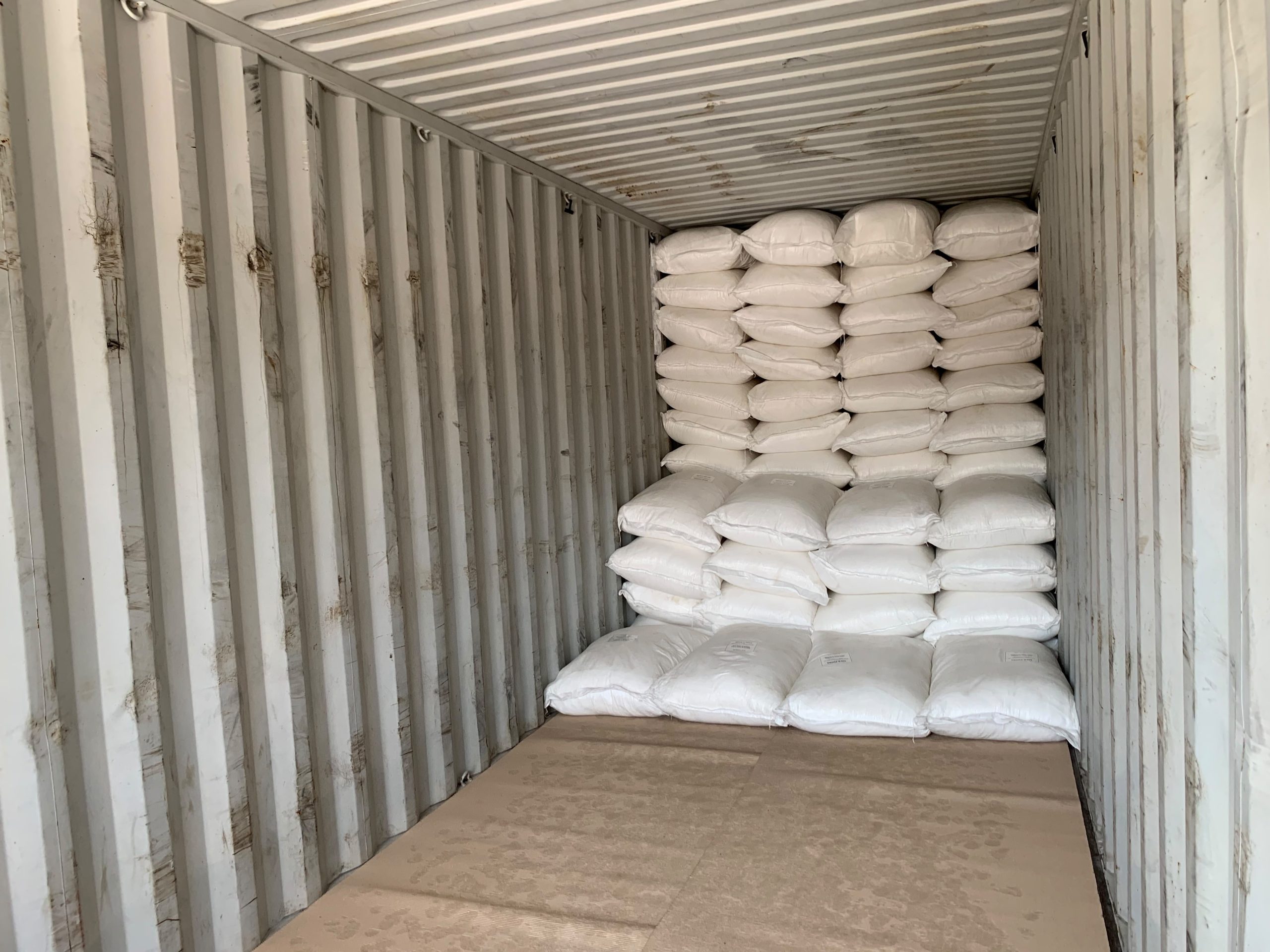
On the production floor, consistency of grain and moisture keeps machinery running smoothly and finished products uniform. Store sacks sealed and dry, and rotate stock so the oil never has time to stale. Because coconut can carry aroma, keep it away from strongly scented ingredients in storage. These simple controls ensure that the qualities which make coconut valuable in the recipe survive all the way from the warehouse to the oven.
The bottom line for manufacturers
Used thoughtfully, desiccated coconut rewards a producer on every metric that matters: taste, texture, freshness, appearance and clean-label appeal. The key is to treat it as a functional ingredient with real formulation effects rather than a simple flavour top-up. Match the grade and cut to the product, control storage so the oils stay fresh, and buy to a consistent specification from a supplier who documents it. Do that, and coconut quietly lifts the quality and shelf appeal of an entire bakery or confectionery range while keeping production predictable and costs under control.