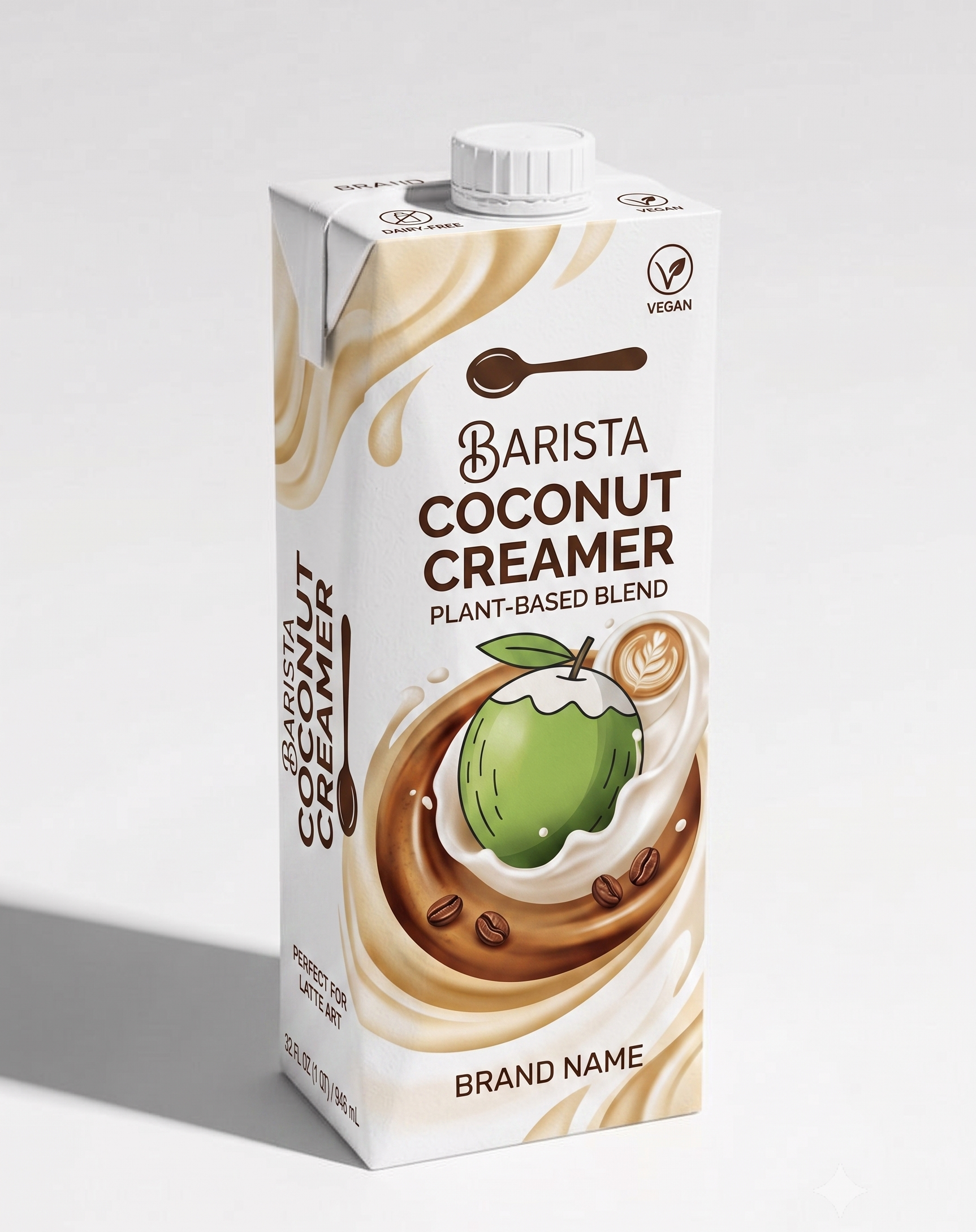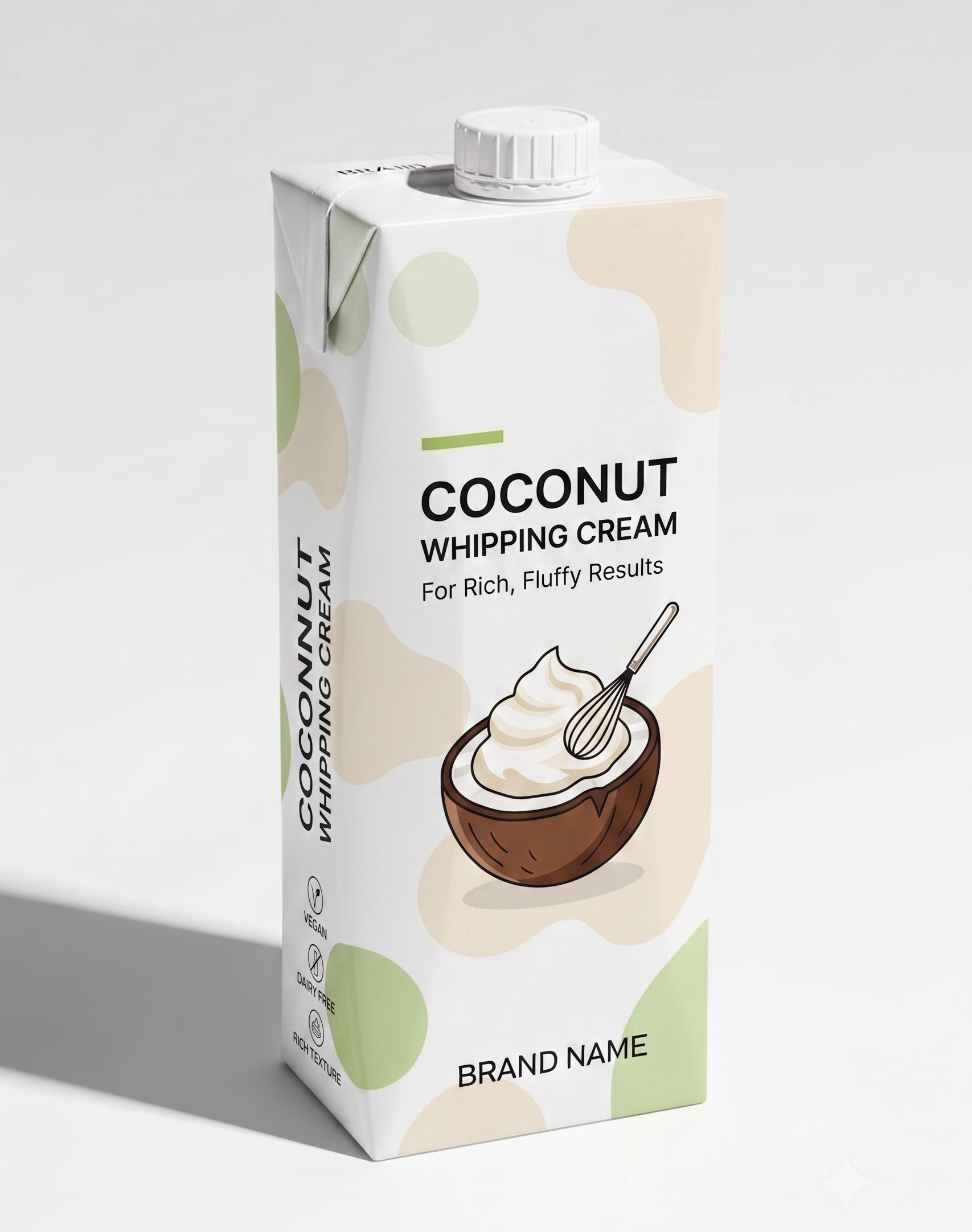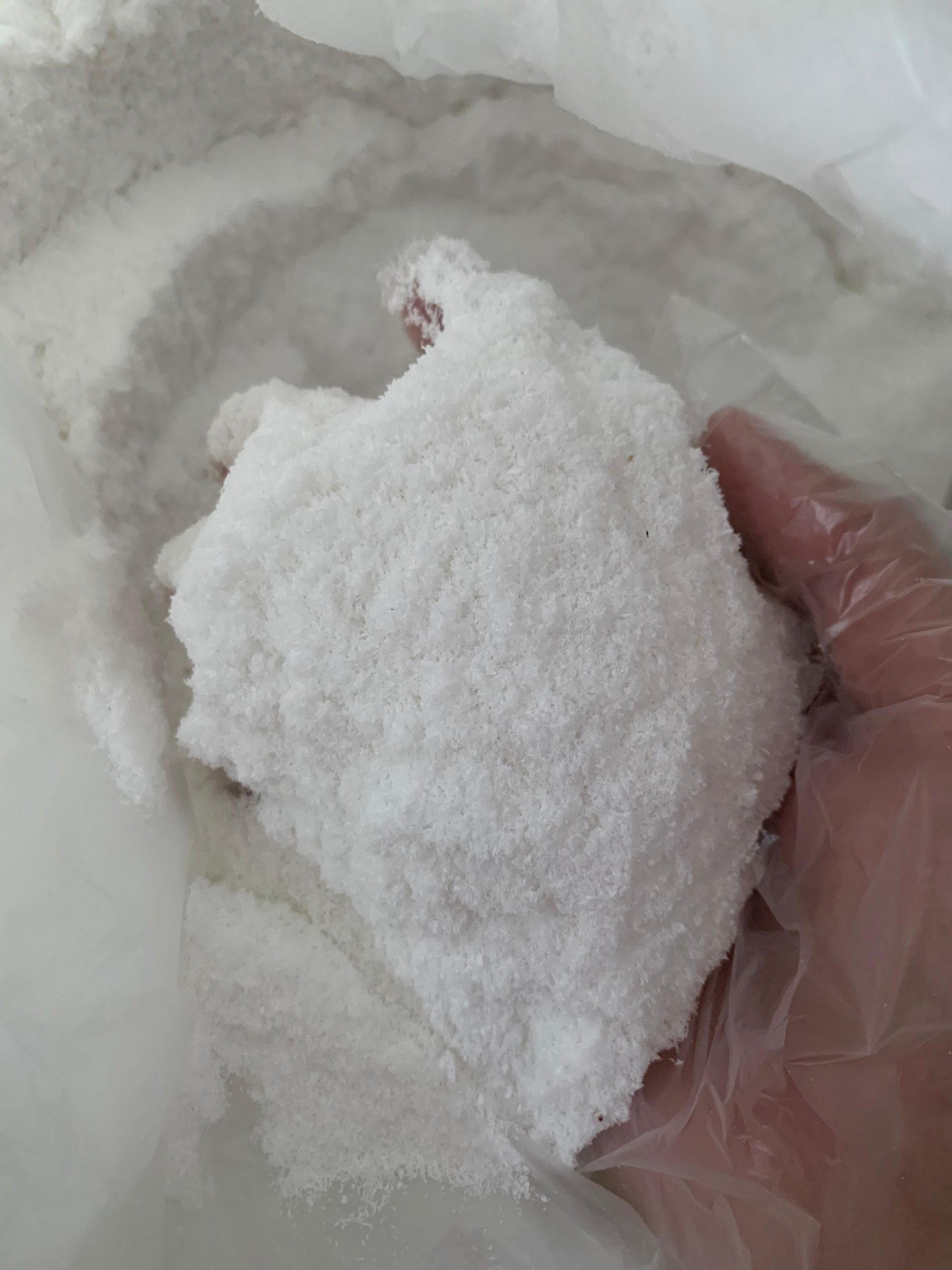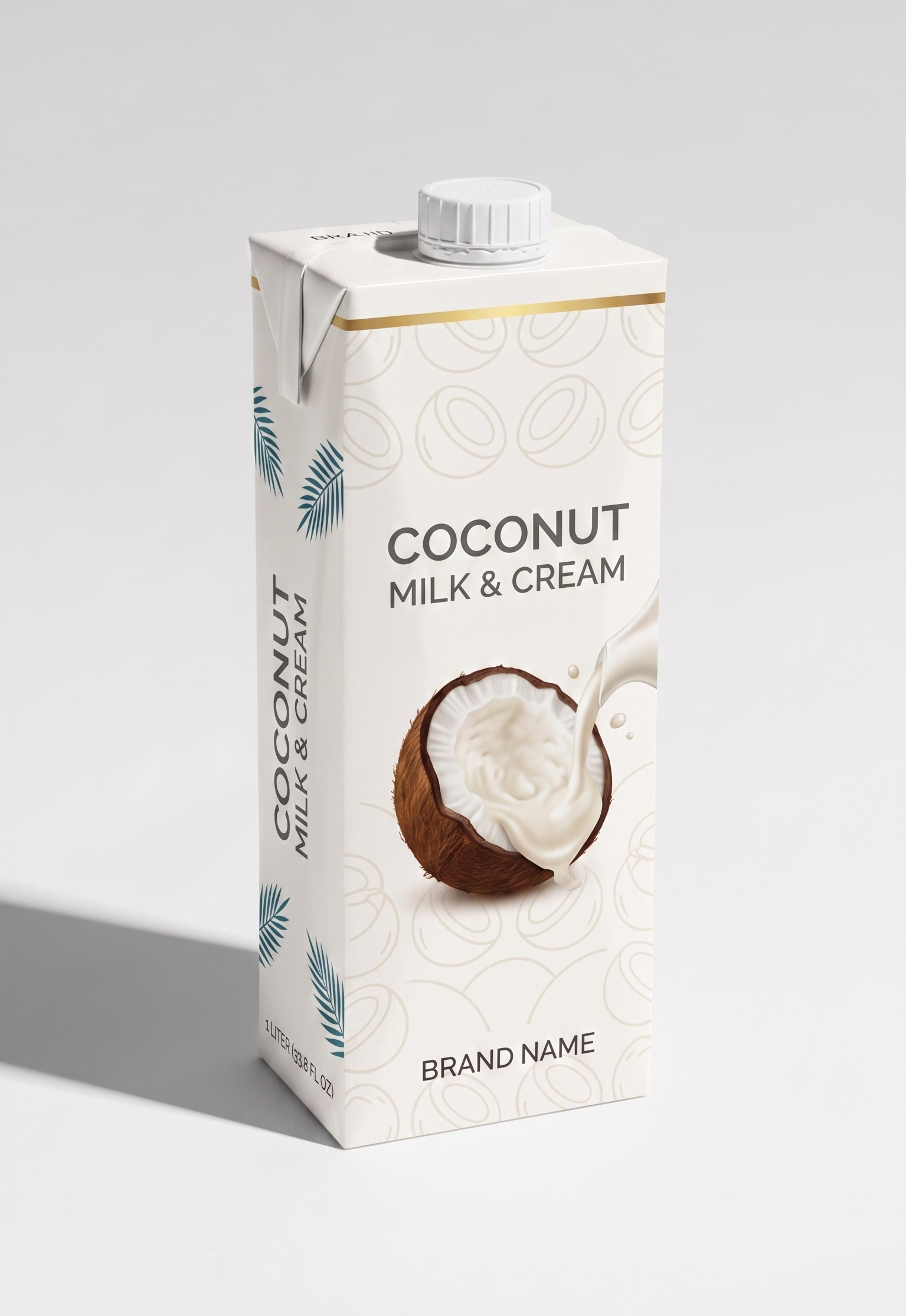
Coconut milk and cream is the workhorse of the coconut beverage range — a concentrated base that food manufacturers turn into an enormous variety of finished products. What sets it apart is flexibility: the fat level can be set on request, typically anywhere from around thirteen to twenty-four percent, so a single ingredient can serve very different recipes.
Flavour and body
The product is white with no discolouration and carries a characteristic, pure coconut flavour with a sweet, nutty edge. Its texture is creamy and liquid, making it easy to pour, blend and cook with. It is cholesterol- and transfat-free, which supports the plant-based positioning that so many finished products now rely on.
Fat set to the recipe
The ability to specify fat content is the real advantage. A curry sauce, a dessert, an ice cream base and a ready meal each call for a different richness, and rather than juggling several suppliers, a manufacturer can order the same trusted base at the fat level each product needs. Nutritional figures such as protein and natural sugars are documented at a reference fat level, so formulators know exactly what they are working with.
Packaging for every scale
Coconut milk and cream ships in retail cartons and 65 ml Tetra Pak cubes for portion use, and in a full range of bulk formats — aseptic bag-in-drum, 240-litre and 1000-litre flexboxes — for industrial lines. That spread lets both smaller brands and large processors buy in the format that suits their operation without changing origin or specification.
A single, dependable relationship
Because one base can cover several products, coconut milk and cream lets manufacturers consolidate sourcing around a single dependable supplier. For buyers, the priorities are consistency of flavour and fat, reliable food safety, and complete export documentation. Delivered from a trusted Indonesian origin, it is a versatile foundation that can quietly sit behind an entire product range.
Application examples
The breadth of uses is what makes this base so valuable. At higher fat it enriches curries, sauces and ice cream; at lower fat it lightens soups, drinks and desserts. Chefs and product developers use it as a dairy-free stand-in for cream and evaporated milk across both savoury and sweet recipes. Because the same trusted base covers so much ground, a manufacturer can develop several products around one dependable ingredient rather than qualifying many.
Specifying your order
To get the right result, be specific when ordering: state the target fat level, the pack format and any labelling or certification you need. A supplier able to set fat to request, and to document protein and sugar at your reference level, takes much of the guesswork out of formulation. Agreeing these details early — along with lead time and export documents — means each delivery arrives ready to drop straight into production without adjustment.
Why manufacturers standardise on it
The strongest argument for coconut milk and cream is consolidation. Rather than qualifying separate ingredients for each recipe, a manufacturer can build a whole range on one trusted base, simply specifying the fat level and format each product needs. That reduces the number of suppliers to manage, simplifies quality control, and makes forecasting easier. Combined with dependable food safety and full export paperwork from a single reliable origin, it lets product teams move faster and buyers negotiate from a position of scale rather than spreading small orders across many sources.