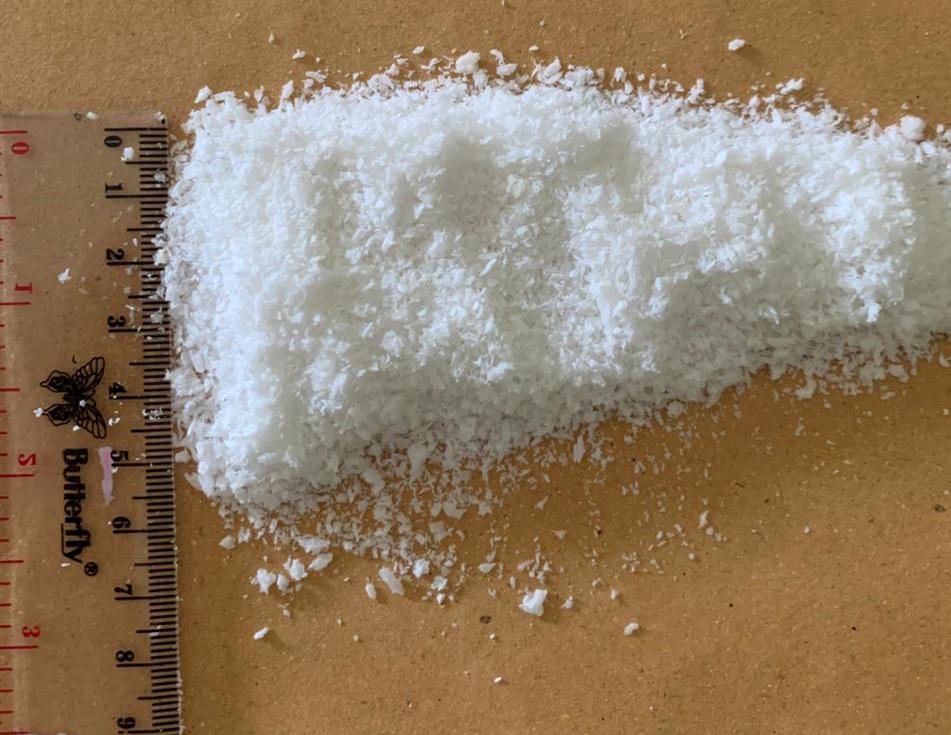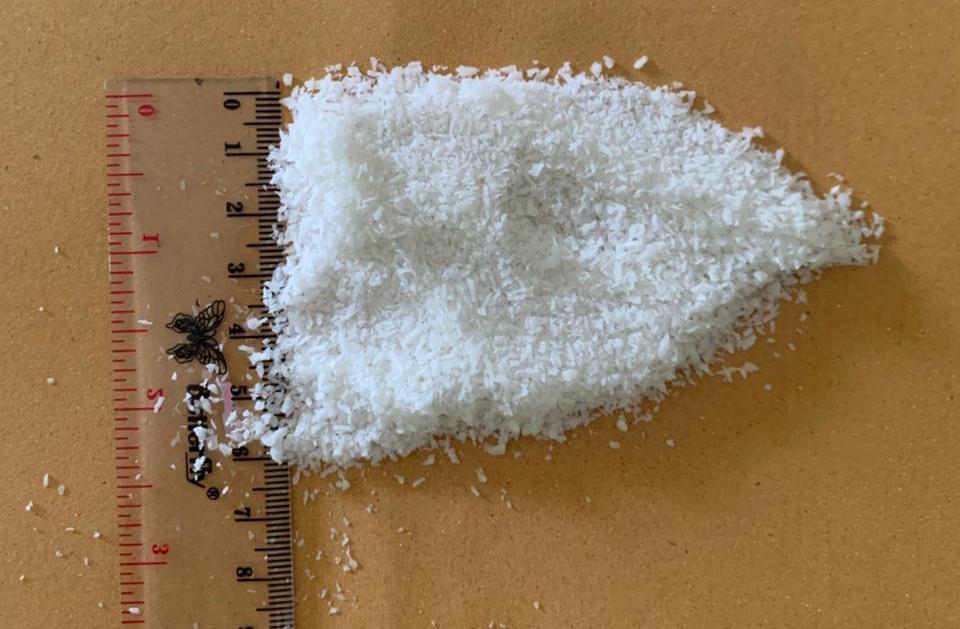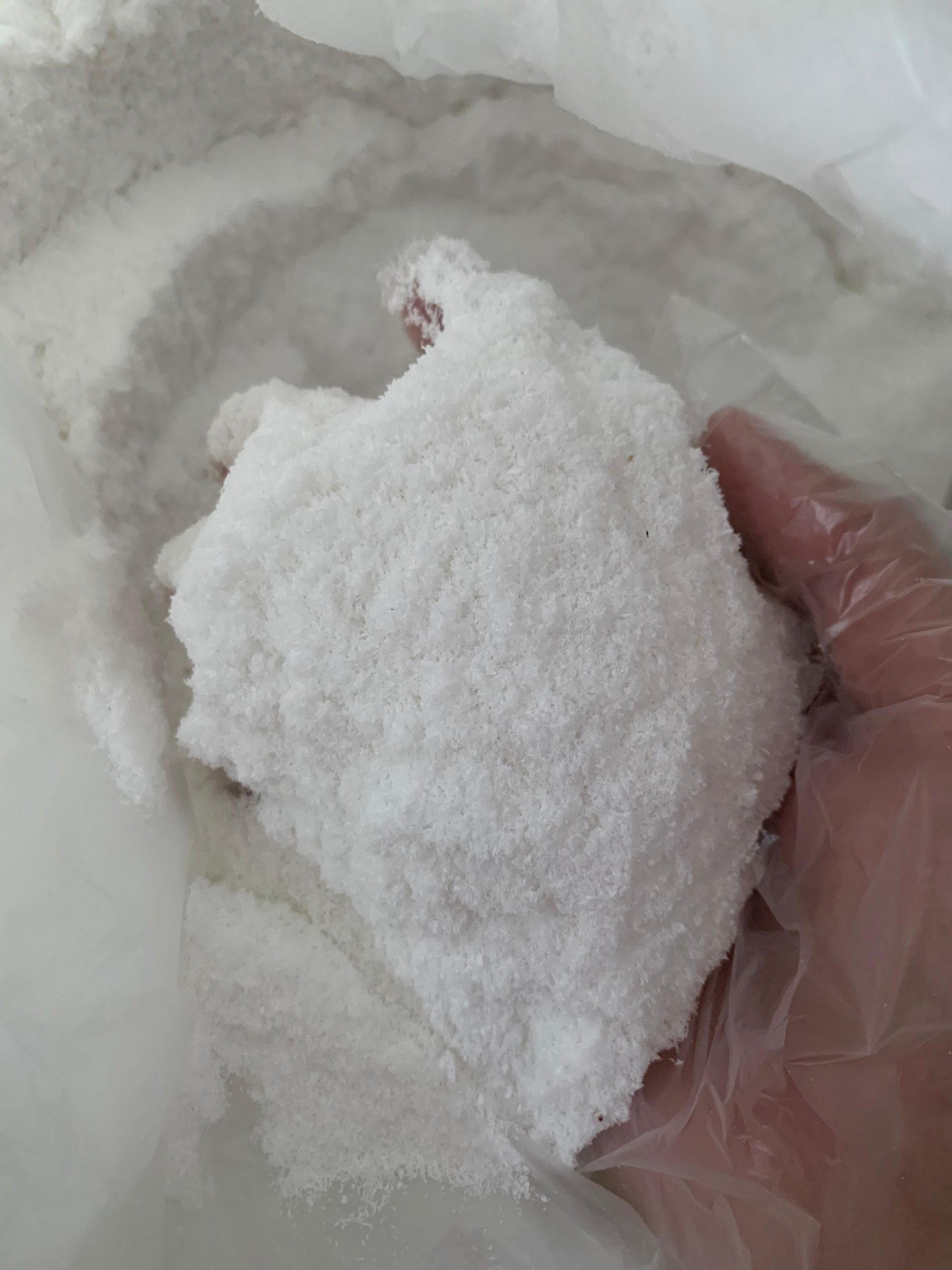
Desiccated coconut is one of the most widely traded coconut ingredients in the world, yet many first-time buyers are unsure exactly what it is. In simple terms, it is the white meat of mature coconuts, grated and then dried until very little moisture remains. That single step of careful drying is what turns a perishable tropical fruit into a stable, shippable ingredient that food manufacturers rely on all year round.
How it is made
Production begins with selecting mature coconuts, which are deshelled and pared so only clean white kernel remains. The kernel is then cut or shredded to the required grain size and dried, typically to below three percent moisture. Keeping moisture that low is not a formality: it is what stops mould and bacteria from growing and slows the oxidation of the natural oils, so the finished product resists spoilage over long ocean journeys and months of warehouse storage.
The grades buyers choose
Because different recipes need different textures, desiccated coconut is milled into several cuts. Extra-fine and fine grades have small, almost powdery particles that blend smoothly into doughs, batters and fillings. Medium and coarse grades keep a larger, more visible flake that works well as a topping, coating or garnish. On top of grain size, buyers also choose between high-fat and low-fat versions, which change the richness, mouthfeel and shelf-life behaviour of the finished food.
Where it is used
The versatility of desiccated coconut explains its steady global demand. Bakeries fold it into cookies, cakes, pastries and granola bars; confectioners use it in chocolate, truffles and coated sweets; dairy and dessert makers add it to ice cream and puddings; and snack producers rely on it for energy bars and cereals. It also appears well beyond food, in some cosmetic and industrial applications, wherever a clean, natural coconut character is wanted.
Why it matters for buyers
For importers, distributors and manufacturers, the appeal is consistency. A documented specification — natural white colour, mild flavour, controlled moisture and a defined fat level — means the ingredient behaves the same way in every production run. Combined with a long shelf life and straightforward storage, that reliability is why desiccated coconut remains a staple on ingredient lists across every continent, and why a dependable, well-documented supplier is worth building a long-term relationship with.
Storage and handling
Once it arrives, desiccated coconut is easy to keep well. Stored in a cool, dry place and kept sealed against moisture and pests, it holds its quality for the full length of its shelf life. Warehousing teams should rotate stock on a first-in, first-out basis and keep sacks off the floor and away from strong-smelling goods, since coconut can pick up odours. These are small disciplines, but they protect an ingredient that has already travelled a long way to reach the production line.
Choosing a supplier
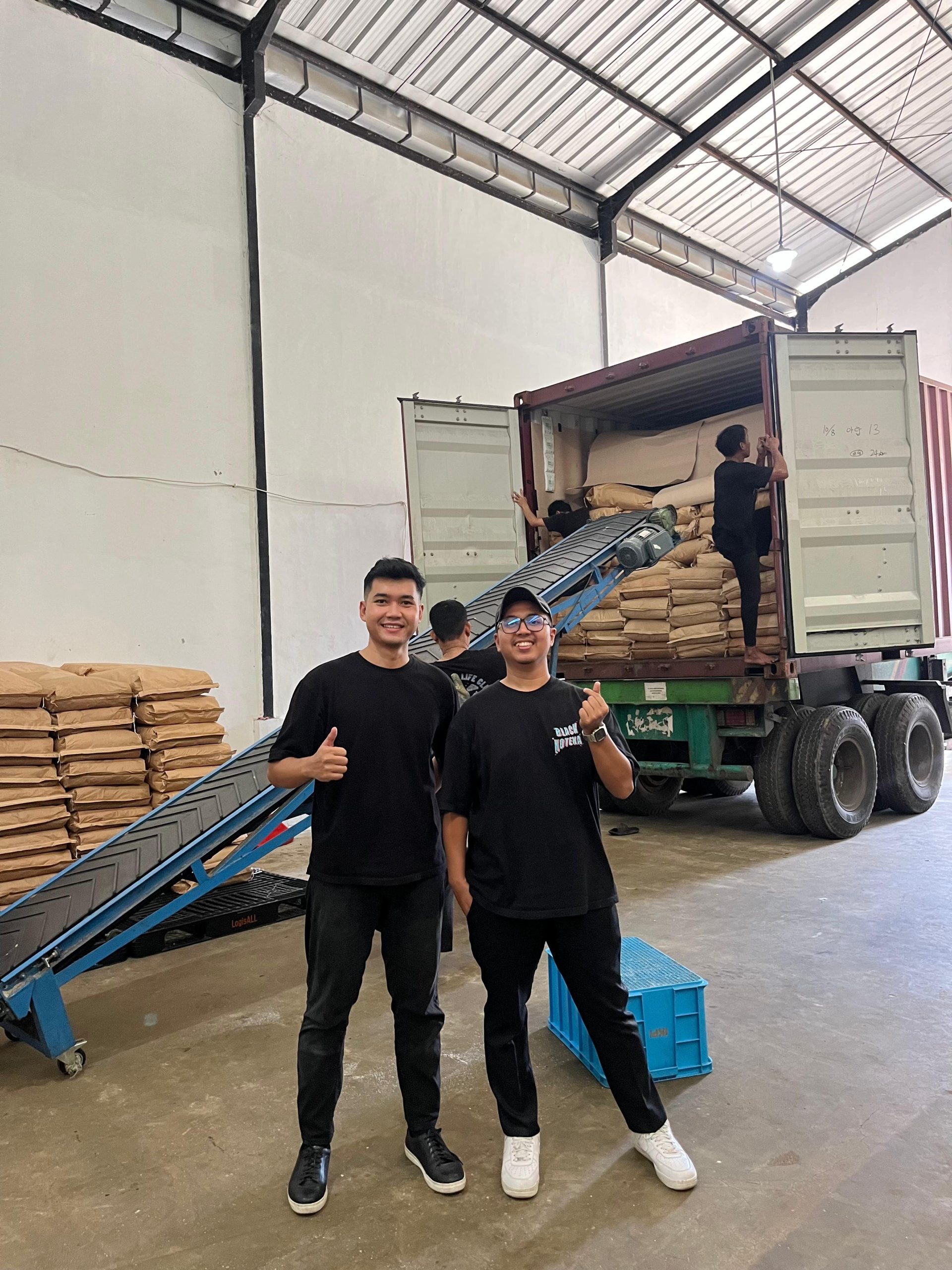
Because desiccated coconut looks broadly similar across suppliers, the real differences show up in consistency and paperwork. A dependable partner supplies a clear specification, backs it with a Certificate of Analysis, and hits the same numbers order after order. They also prepare the export documents your market requires and communicate quickly when questions arise. For buyers planning production months ahead, that reliability is often worth more than a marginally lower price, because it removes the risk of a surprise at the worst possible moment.