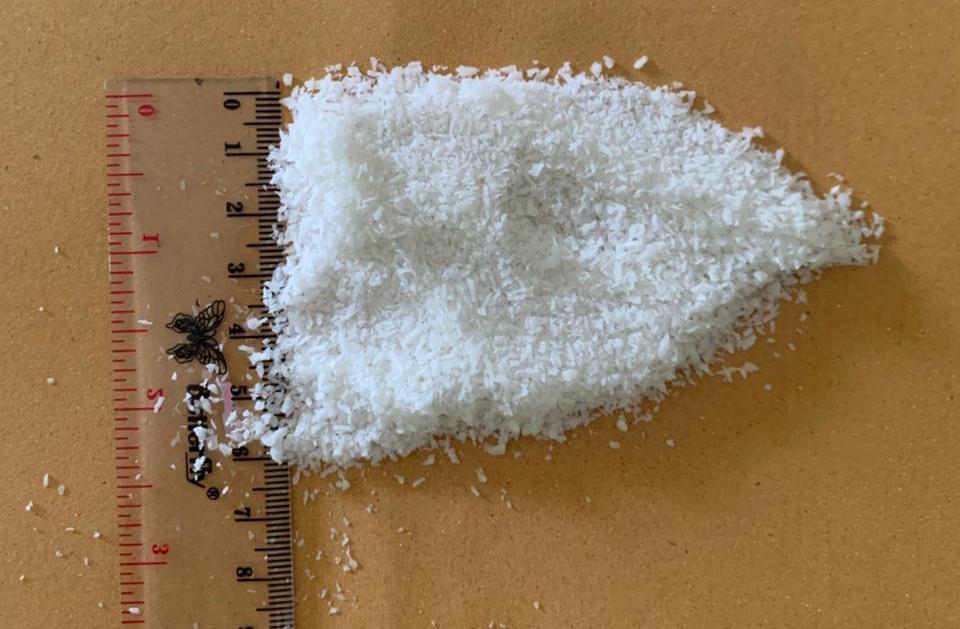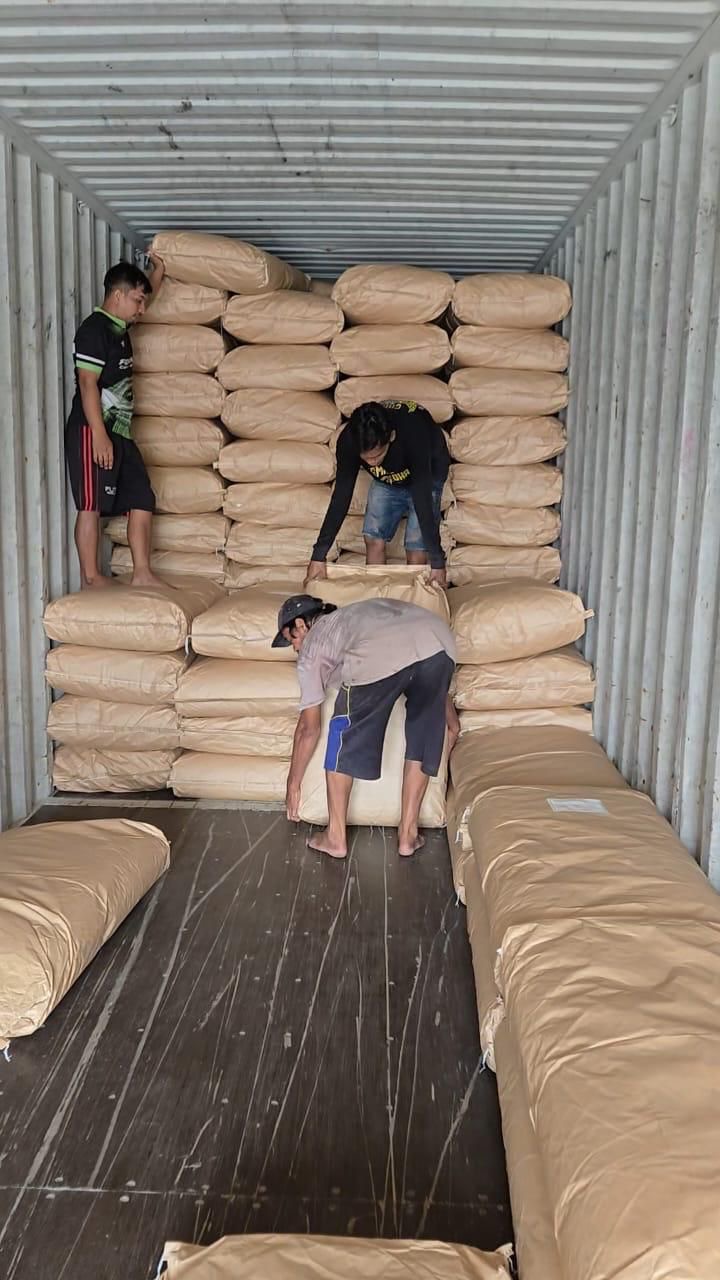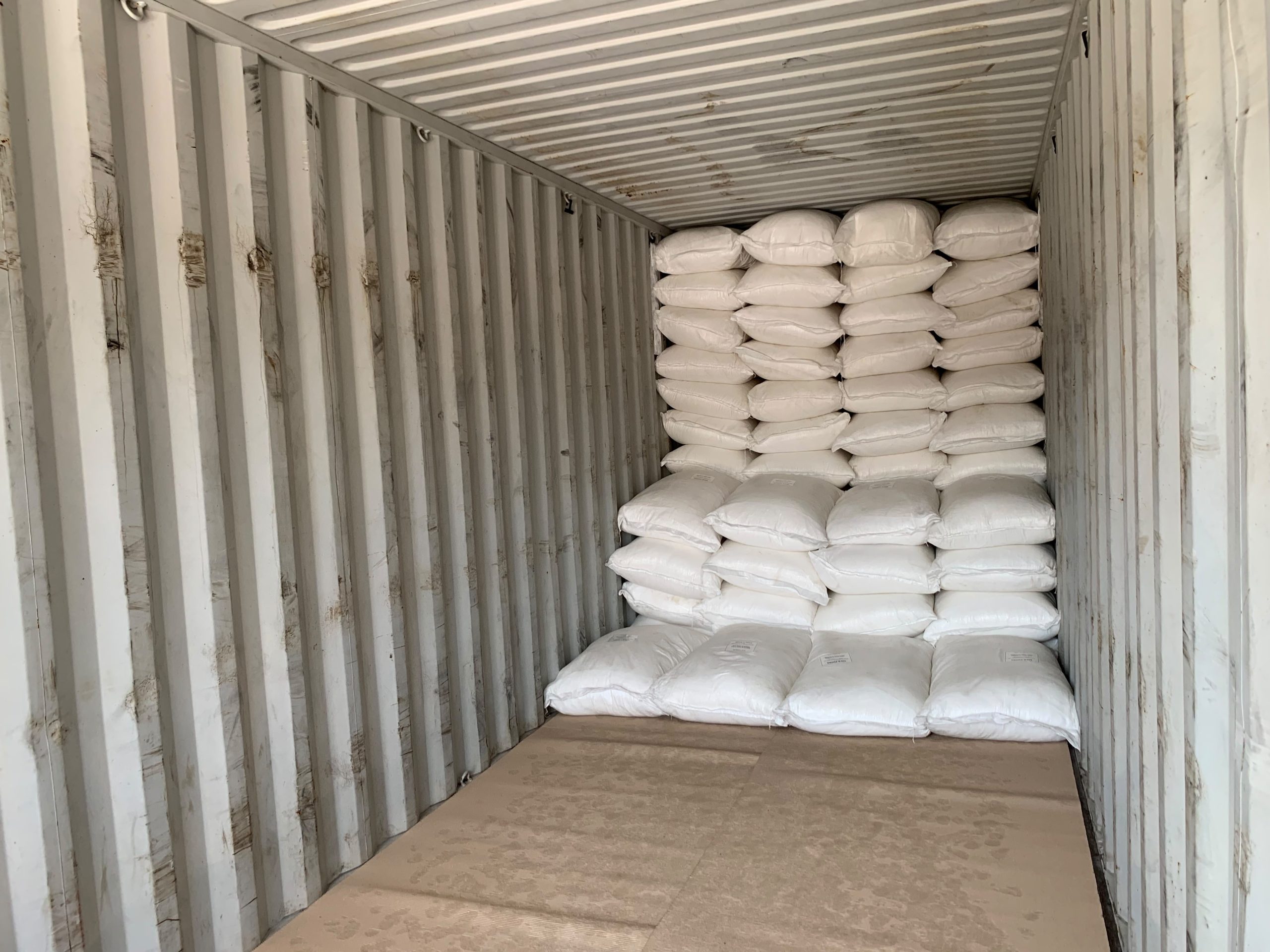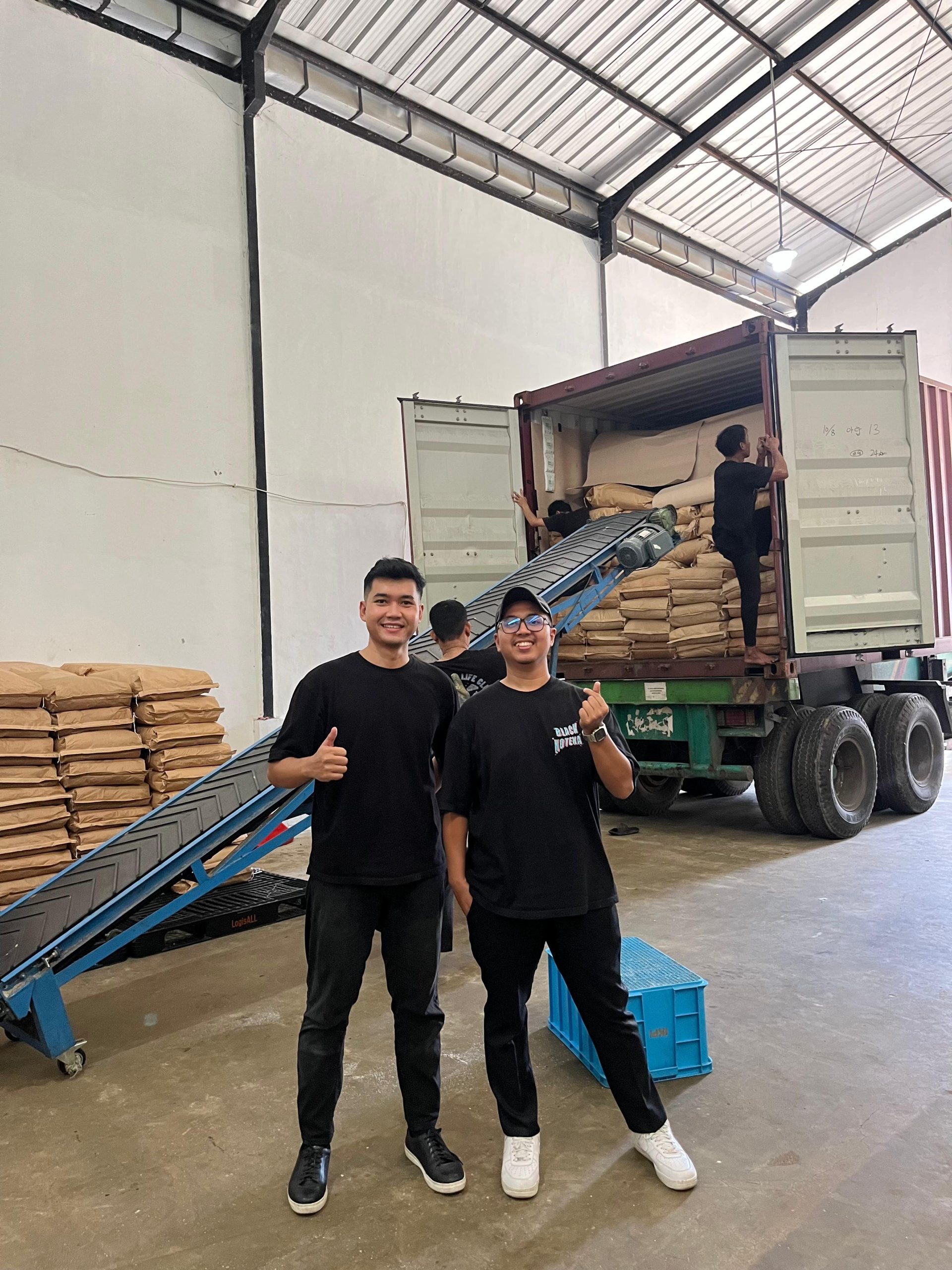
If there is one number worth watching on a desiccated coconut specification, it is moisture. More than colour, more than grain size, the amount of water left in the product after drying determines how safely and how long it will last. For an ingredient that often spends weeks at sea and months in storage before it is used, that makes moisture a commercial issue, not just a technical one.
The three percent standard
The widely accepted export standard for desiccated coconut is a moisture level below three percent. Held there, the product stays clean, stable and saleable for twelve months or more. It arrives at the factory in the same condition it left the mill, ready to use straight from the sack, which is exactly what manufacturers are paying for.
Why water is the enemy
When moisture climbs above that threshold, problems follow quickly. Water gives mould and bacteria the environment they need to grow, and it accelerates the oxidation of the natural coconut oils, leading to off-flavours and rancidity. Those risks multiply in the hot, humid climates that much of the world`s coconut passes through. A batch that looked fine on dispatch can arrive discoloured, sour-smelling or unsafe, and by then the loss is already the buyer`s problem.
Controlling it at the source
Good moisture control is built in during production, not checked as an afterthought. It comes from drying at the right temperature for the right time, testing each lot, and packing promptly into protective, moisture-resistant packaging such as multi-ply kraft sacks with an inner food-grade liner. The moisture figure should then be printed on the Certificate of Analysis so the buyer can verify it before the goods ever ship.
What buyers should do
Before committing to an order, always confirm moisture on the COA and ask how it is maintained through packing and transit. Check that the packaging is designed to keep water out, and that storage recommendations — cool, dry conditions — are clearly stated. Treating moisture as a headline specification rather than a footnote is one of the simplest ways to protect freshness, food safety and the value of every container you buy.
Packaging's role
Drying to the right level is only half the job; keeping the product there is the other. Export-grade desiccated coconut is normally packed in multi-ply kraft sacks with an inner food-grade polyethylene liner that acts as a moisture barrier. Sealed properly, this packaging protects the coconut from humidity during loading, ocean transit and storage in climates far more humid than where it was made. Damaged or poorly sealed bags are a genuine risk, so inspecting packaging on arrival is time well spent.
Storage on your side
Responsibility for moisture does not end at the port. Once the goods are yours, store them somewhere cool and dry, keep sacks sealed until needed, and avoid stacking against damp walls or floors. Use older stock first, and check periodically for any change in smell or appearance. These habits cost almost nothing and preserve the twelve-month shelf life you paid for, ensuring the coconut performs exactly as expected when it finally reaches your mixer or filler.