Sourcing desiccated coconut with confidence is less about luck and more about knowing what to check. A short, disciplined list of quality indicators lets buyers screen suppliers, compare samples fairly and avoid the production headaches that come from an inconsistent ingredient. Encouragingly, most of these checks can be verified on documentation before goods are ever loaded.
Fat content and moisture
Start with the two figures that matter most. Fat content determines flavour, aroma and texture, and should match the grade you ordered — high-fat or low-fat — and stay repeatable from batch to batch. Moisture, ideally below three percent, governs shelf life and safety. Both belong on the Certificate of Analysis, so insist on seeing it and confirm the numbers are consistent across recent lots, not just the sample you were sent.
Colour and aroma
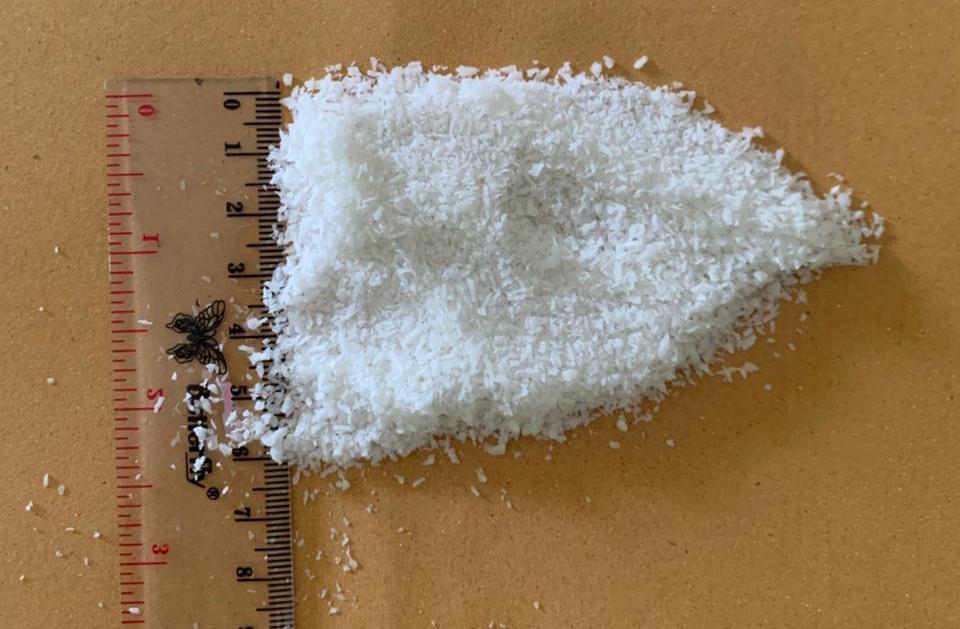
Good desiccated coconut is a clean, natural white with minimal discolouration or yellow specks. The smell should be fresh, sweet and unmistakably coconut. Any sour, musty or oily odour is a warning sign of oxidation, poor drying or low-quality raw material, and no amount of processing downstream will fully fix it.
Purity, particle size and microbiology
Check that physical impurities are within tight limits and that the grain size is consistent, because uneven particles change texture and appearance in the final product. Just as important, confirm the coconut meets recognised microbiological standards; premium suppliers back this with third-party testing from independent laboratories, which gives buyers an objective layer of assurance.
Certifications and packaging
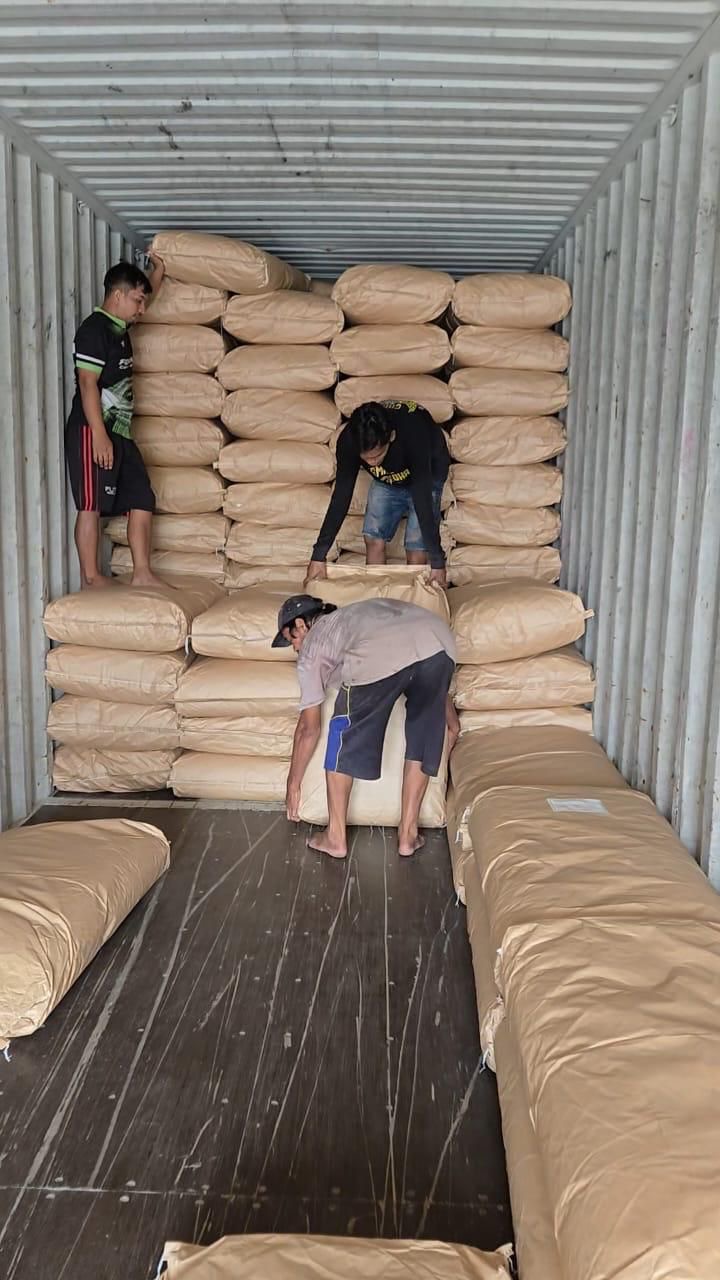
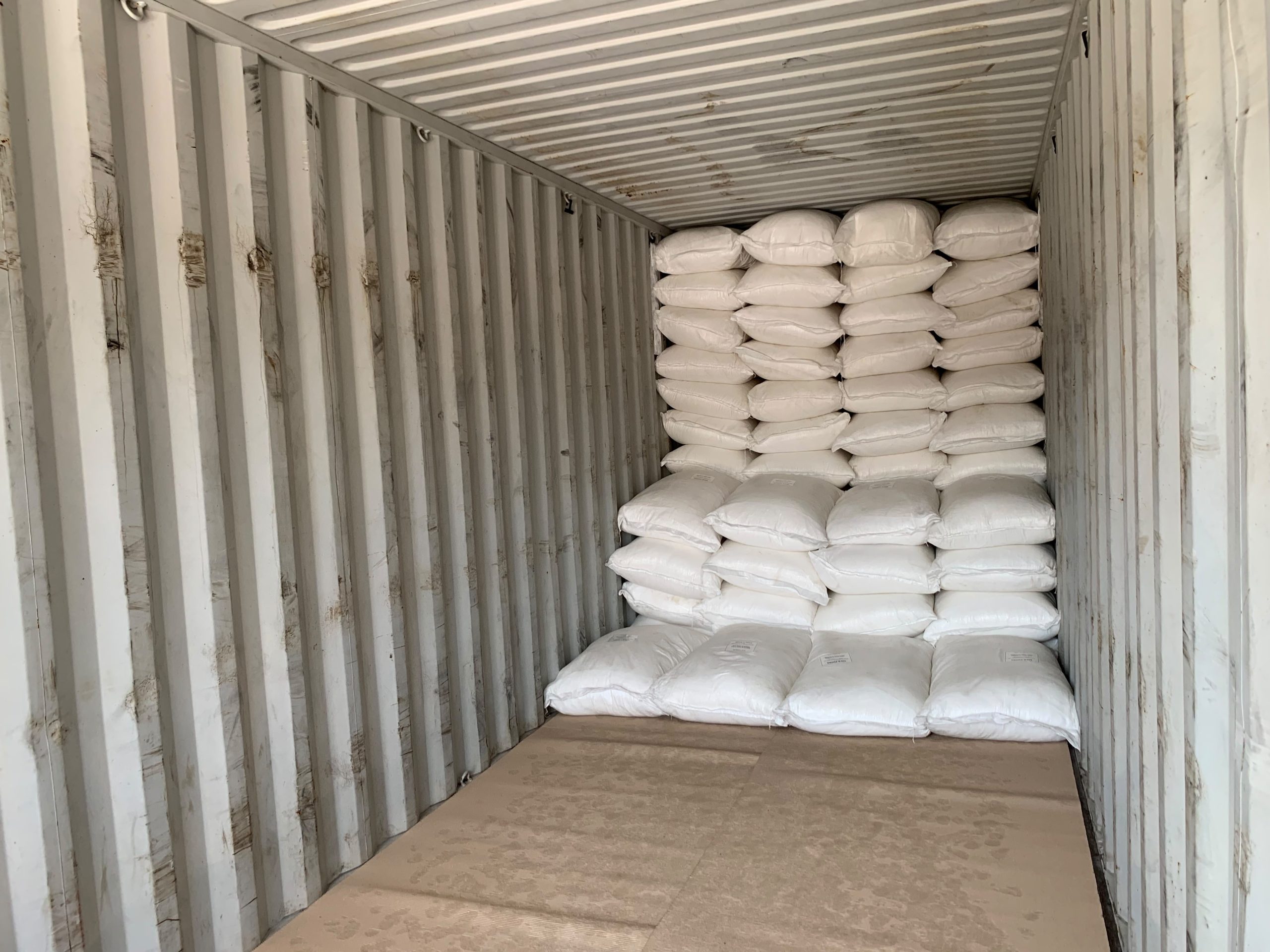
Certifications such as Halal, along with food-safety and quality systems, signal that a supplier operates to international expectations. Packaging matters too: export-grade coconut should be packed in protective, food-grade multi-ply sacks that guard against moisture and contamination over long transit, with a realistic shelf life clearly stated.
Turning checks into a routine
The value of these indicators comes from applying them every time, not just on the first order. Build a simple checklist — fat, moisture, colour, aroma, purity, microbiology, particle size, certifications and packaging — and require the paperwork that proves each one. Suppliers who welcome that scrutiny are usually the ones worth keeping, because consistent quality is precisely what protects your own product and reputation.
Sampling before you commit
Documentation tells you a great deal, but a physical sample confirms it. Before a first order, ask for a representative sample of the actual grade you intend to buy, and assess it against the same checklist you would apply on arrival: colour, aroma, texture and grain consistency. Where possible, trial it in your own recipe, because an ingredient can meet every number on paper and still behave differently in your specific process. A short sampling step now prevents an expensive surprise at container scale.
Documentation to request
Alongside the Certificate of Analysis, ask which export documents the supplier can provide for your market — origin, health, phytosanitary and any certificates your regulator requires. A supplier who prepares these routinely is usually one who runs a disciplined operation. Keeping copies on file also smooths customs clearance and gives your own quality team a clear audit trail, which matters increasingly as retailers and regulators demand traceability back through the supply chain.