Desiccated coconut has always been valued for the flavour and texture it brings to food, but a large part of its momentum today comes from nutrition and shifting consumer habits. As shoppers read labels more carefully and lean toward natural ingredients, coconut has found itself firmly in step with the trend.
A nutrient-dense ingredient
The dried kernel is naturally rich in fats, dietary fibre and minerals. Much of its fat is in the form of medium-chain triglycerides, which the body tends to convert into energy quickly, and nutritionists often discuss these fats in the context of metabolism and satiety. Alongside the fibre and mineral content, that makes desiccated coconut an energy-dense, functional ingredient rather than an empty one.
Riding the clean-label wave
Modern consumers increasingly want foods that are plant-based, vegan-friendly and minimally processed, with short, recognisable ingredient lists. Desiccated coconut fits that brief almost perfectly: it is a single, natural ingredient that needs no additives to do its job. For brands chasing clean-label positioning, it is an easy and honest addition.
Where the growth is coming from
Demand is not evenly spread, and understanding the map helps buyers plan. Bakeries and confectioners remain the backbone of consumption, but rising incomes across Asia, the Middle East and Africa are lifting sales of premium baked goods and packaged snacks, many of which use coconut for flavour and texture. The wellness and plant-based categories add another fast-growing layer of demand.
Indonesia`s role in supply
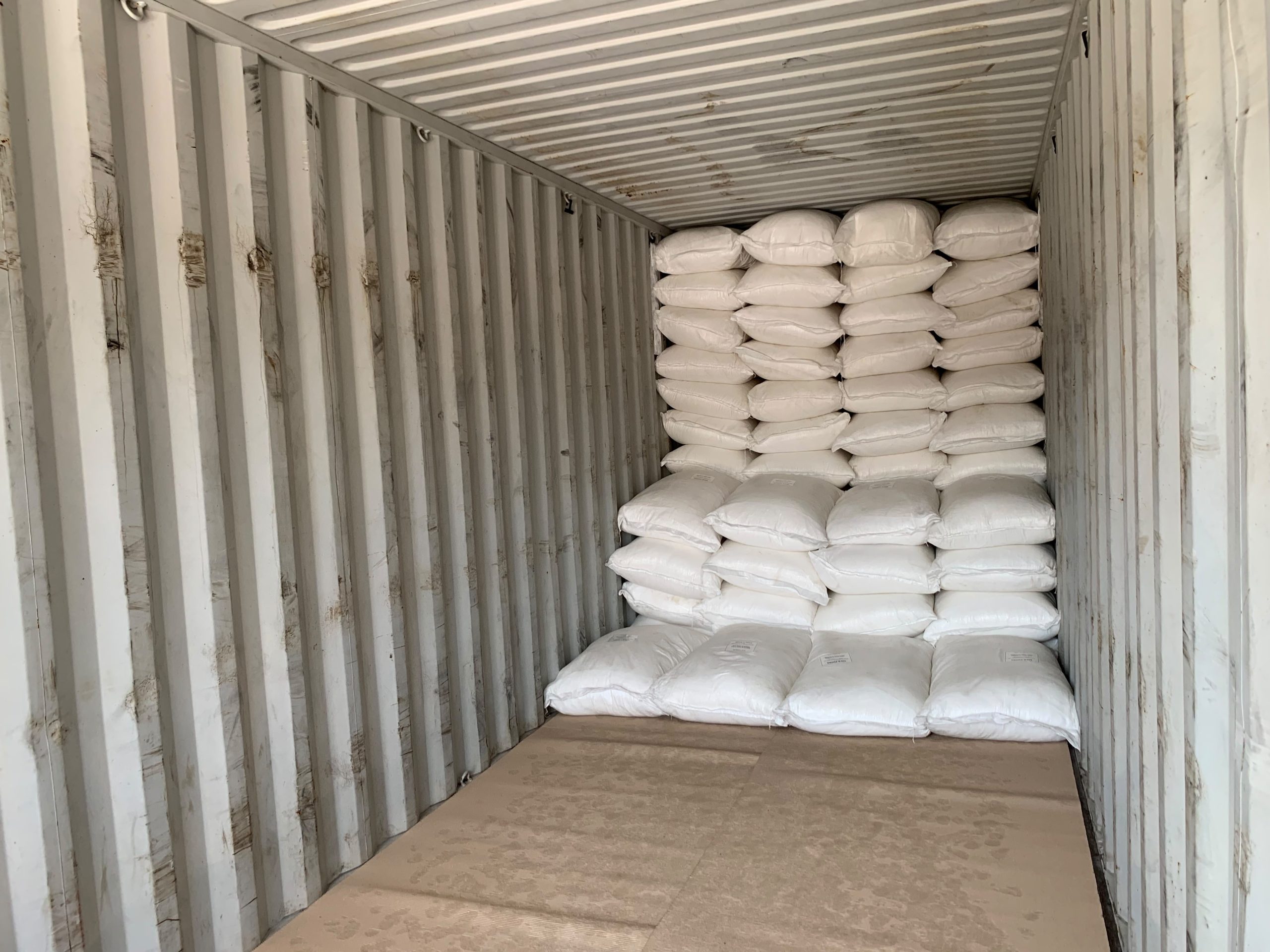
On the supply side, a handful of tropical origins dominate, and Indonesia is among the most trusted. Its mature-coconut harvest, established processing base and export experience make it a reliable source of consistent, long-life desiccated coconut for buyers in Europe, the United States and the Middle East.
What it means for sourcing
For importers and manufacturers, the takeaway is straightforward: demand is broad and durable, spanning both indulgent and health-focused categories. Businesses that secure a steady, well-documented supply now — and that can tell a genuine story about natural, plant-based nutrition — are well placed to grow with the category rather than scramble to catch up with it.
Positioning your product
For brands, coconut`s nutritional story is a marketing asset as much as a functional one. Attributes such as plant-based, dairy-free, no added preservatives and a source of fibre resonate with today`s label-reading shoppers. Framing a product honestly around these strengths — without overclaiming — helps it stand out in a crowded category and justifies a premium position. The ingredient does much of the work; the job of the brand is to communicate it clearly and credibly.
Sustainability and story
Increasingly, buyers and consumers also care where an ingredient comes from and how it is produced. A transparent supply chain, responsible sourcing and support for coconut-growing communities add a layer of value beyond nutrition. Being able to point to a specific, trusted origin gives a product authenticity that generic sourcing cannot match. For importers, choosing a supplier who can tell that story convincingly is becoming part of the commercial calculation, not just the ethical one.