One of the most common questions international buyers ask is deceptively simple: should we choose high-fat or low-fat desiccated coconut? The honest answer is that it depends entirely on the finished product, because fat content influences far more than price. It quietly shapes flavour, texture, shelf life and even how smoothly the ingredient runs through a production line.
What high-fat delivers
High-fat desiccated coconut, usually above sixty percent total fat, carries more of the natural oil that gives coconut its aroma and richness. That translates into a fuller mouthfeel and a more pronounced, indulgent coconut character in the finished food. It is the grade of choice for premium bakery, confectionery and coconut-forward recipes where taste is doing the heavy lifting. The trade-off is that higher oil content demands careful moisture control and good packaging, because oil is more prone to oxidation over long-distance shipping and warm storage.
What low-fat delivers
Low-fat desiccated coconut, often below thirty percent total fat, is leaner and generally more stable in dry conditions. It is the practical choice wherever oil content must be controlled or reduced — health and snack applications, ingredient blends, and markets with specific fat requirements. Because it holds up well over time, it is frequently preferred in formulations that need a long, steady shelf life without the texture drifting between batches.
Matching grade to application
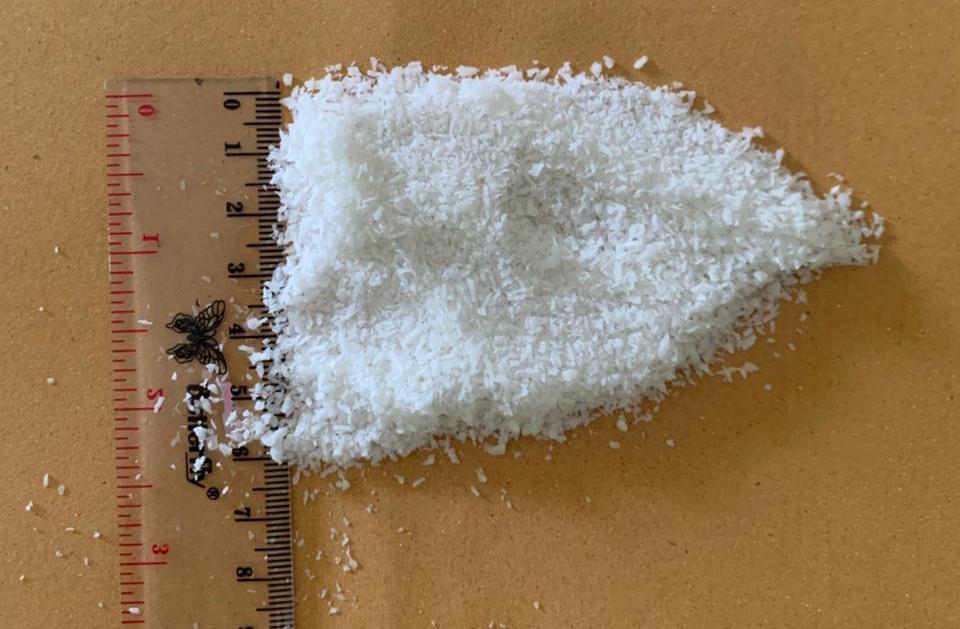
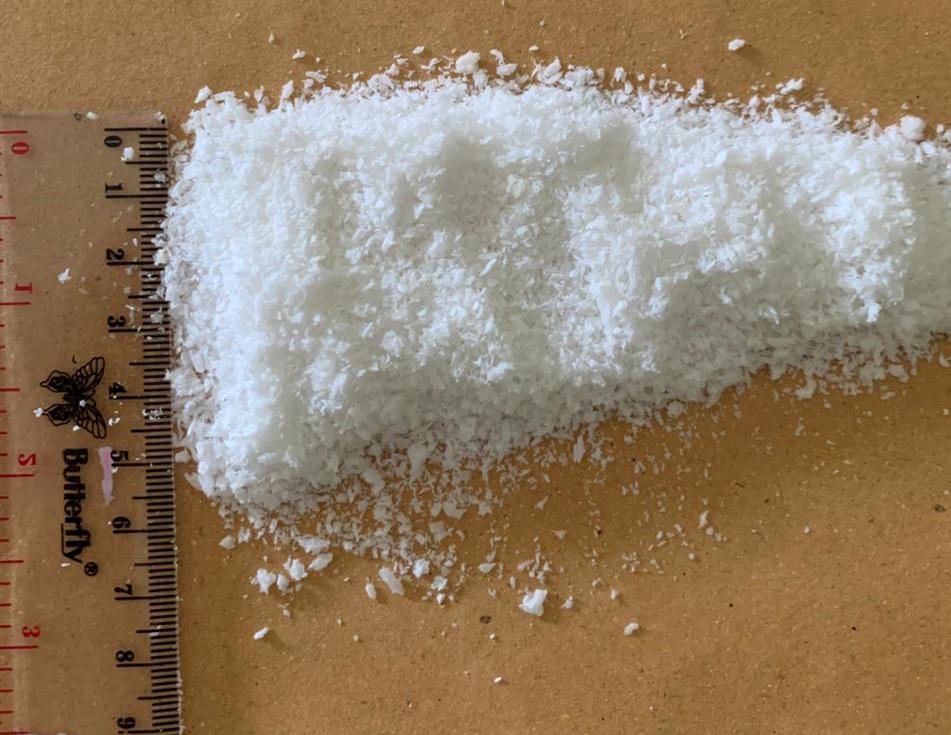
The right decision starts with the end use. A biscuit brand chasing a rich, buttery-coconut bite will lean toward high-fat; a cereal or energy-bar producer watching total fat and cost may prefer low-fat. Some manufacturers even keep both on hand for different product lines. Grain size sits alongside fat as a second lever: fine cuts disappear into a smooth crumb, while medium cuts add visible texture and a decorative finish.
The mistake to avoid
The most frequent error is buying on price alone, without considering how the grade will perform. A cheaper specification that oxidises early, or one whose texture is wrong for the recipe, costs far more in rejected batches and customer complaints than the small saving at purchase. A good supplier will ask about your application before quoting, confirm fat and moisture on the Certificate of Analysis, and keep those figures consistent shipment after shipment so your production stays predictable.
Cost, yield and consistency
Fat level also affects value in ways that are easy to miss. Higher-fat grades concentrate more flavour, so a recipe may need less of it to hit the same taste, while lower-fat grades can be more economical per kilo. The smartest comparison is cost-in-use — how the ingredient performs in the finished product — rather than the headline price. Whichever grade you pick, insist that the fat figure stays inside a tight band from lot to lot, because drifting specifications quietly undermine both flavour and process control.
Working with your supplier
A good supplier treats grade selection as a conversation, not a catalogue. Share your application, target texture and any regulatory fat limits, and ask for a sample of the exact grade you intend to buy. Request the Certificate of Analysis and check that fat, moisture and grain size all match. Establishing this early avoids costly reformulation later and builds the kind of relationship where the supplier understands your product well enough to flag issues before they reach your line.